
Some links in this guide are affiliate links. We earn a small commission at no extra cost to you when you book through them, which helps fund this publication.
QUICK ANSWERS
Is South Korea safe for Black travelers?
South Korea is one of the safest countries in Asia for visitors. The US State Department rates it Level 1, Exercise Normal Precautions, its lowest level. Street crime is rare and cities feel safe at night. For Black travelers, the day-to-day challenge is attention — staring and questions about your hair — more than danger.
Is there racism in South Korea toward Black people?
Most Black visitors meet curiosity more than hostility, and most say the great majority of their days are good ones. But discrimination is real. Korea has no anti-discrimination law, some Seoul clubs run Korean-only door policies, colorism shapes beauty standards, and blackface incidents still make the news. Korea’s human rights commission has said Black people from developing countries face more discrimination than Black Americans. Go in with your eyes open.
What is the best time to visit South Korea?
Spring (late March to May) for cherry blossoms, and autumn (September to November) for the best weather and fall leaves. Summer is hot and humid, with a rainy season from late June to late July. Winter is cold — Seoul averages around -2°C in January — but cheaper. Avoid the big holidays when the whole country travels: Seollal (Lunar New Year, 6–9 February 2027) and Chuseok (14–16 September 2027).
Do Black Americans need a visa for South Korea?
No. US passport holders can visit visa-free for up to 90 days. Americans are exempt from the K-ETA (Korea’s online travel authorization) until 31 December 2026, but must fill in the free e-Arrival Card at e-arrivalcard.go.kr within 72 hours before landing.
From 1 January 2027, the State Department says Americans will need a K-ETA before they fly, so check the rules when you book.
Are there Black communities in South Korea?
Yes. Seoul’s Itaewon is the country’s most international neighborhood and the center of Black life — braiders, beauty supply stores, and the halal restaurants around the Seoul Central Mosque are all there. Pyeongtaek, home to Camp Humphreys, the largest US military base overseas, has a large Black American community. English teachers, students and creatives connect through Facebook groups such as Black In Korea and Brothas & Sistas of South Korea.
CITY GUIDES
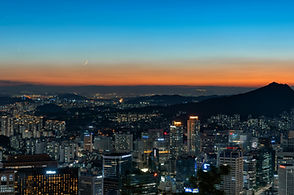
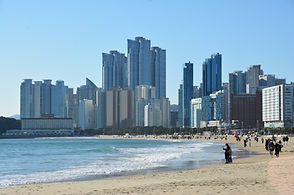
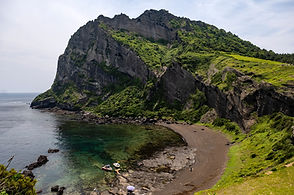
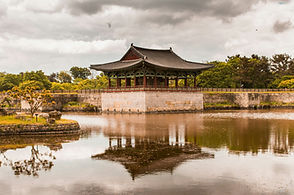
Korea’s cities are very different trips. Seoul is the capital — palaces, K-culture and Itaewon. Busan is the beach city on the south coast, 2.5 hours away by KTX bullet train. Jeju is the volcanic island of beaches and UNESCO sites. Gyeongju is the old Silla capital, a museum without walls.
PRACTICAL ESSENTIALS
Korea is easy to travel once your phone is set up. Two things matter most: the entry rules for 2027, and the fact that Google Maps does not give directions here.
GETTING THERE
Most US travelers fly into Seoul Incheon (ICN) — about 13 hours from Los Angeles and 14–15 hours from New York nonstop. The AREX airport train reaches Seoul Station in about 43 minutes on the Express, or about an hour on the all-stop train. Fares run about ₩9,500–13,000 depending on the train and where you buy, so check arex.or.kr. Airport buses take 60–90 minutes.
WHERE TO STAY
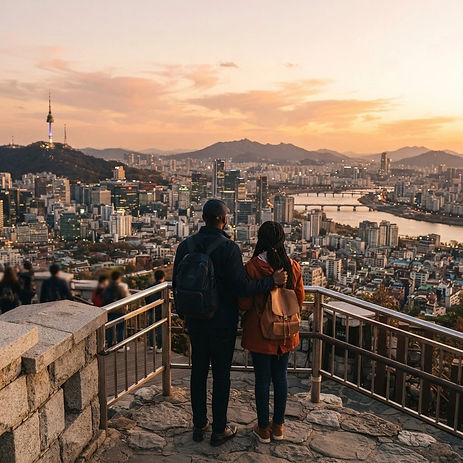
In Seoul, Myeongdong is central and good for first-timers, Hongdae is young and lively, Gangnam is upscale, and Jongno and Bukchon are close to the palaces. Itaewon is the most international, and the closest to Black hair care and halal food. Book through Klook or a major platform.
GETTING AROUND
Buy a T-money card at any convenience store — it works on subways, buses and most taxis. Tap on and tap off. Google Maps does not give walking or driving directions in Korea, so download Naver Map or KakaoMap, plus Kakao T for taxis. The KTX bullet train runs from Seoul to Busan in about 2.5 hours for about ₩59,800.
MONEY MATTERS
The currency is the Korean won (₩). In October 2026, $1 USD is about ₩1,340. Cards are accepted almost everywhere, but carry some cash for street food and markets. Tipping is not expected.
WHAT TO PACK
Korea uses Type C and F plugs at 220V, so bring an adapter. Bring a full supply of your own hair products — Afro-textured hair products are hard to find outside Itaewon and cost far more than at home. Pack layers for spring and autumn, and real winter gear for December to February.
CULTURAL CONSIDERATIONS FOR BLACK TRAVELLERS
South Korea can be one of the most exciting trips in Asia for Black travelers. Knowing what to expect ahead of time makes it much smoother.
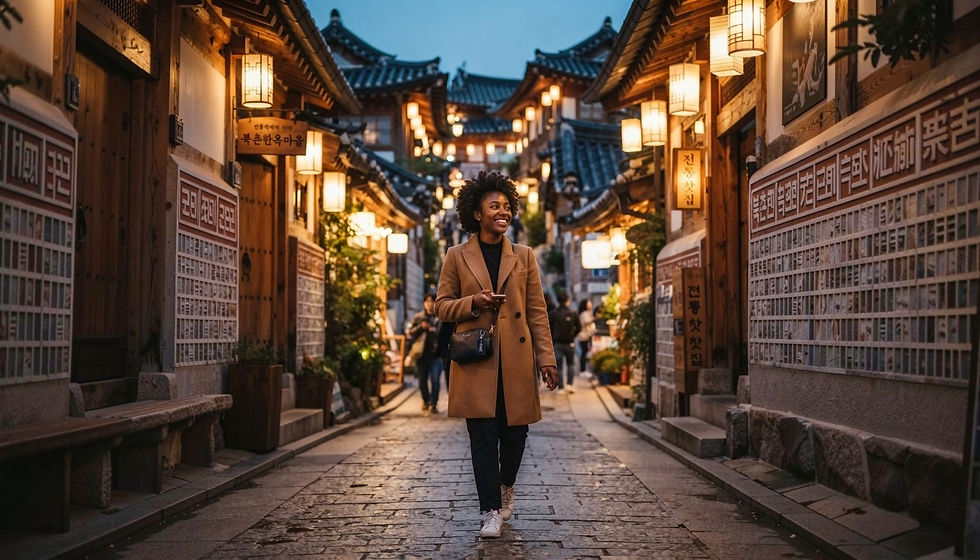
Curiosity and staring. Outside Seoul and the military towns, few Black people live in Korea, so expect stares — mostly from older people and young children — and questions about your hair. People usually ask before taking photos. In Itaewon and central Seoul you will stand out much less. A smile works, and so does a polite no.
The harder side. Korea has no anti-discrimination law. Some clubs in Seoul and Busan turn foreigners away at the door, colorism runs deep in beauty culture, and blackface incidents — from school parodies to TV — still happen. Most visits are trouble-free, but if you plan to live here, know that renting and some workplaces can be harder for Black foreigners.
Hair and beauty access. Black hair care in Korea is growing but still limited. Itaewon has Family Hair Shop, Grace Hair Braiding and Itaewon Beauty Supply, and Honey Hair Beauty Supply in Pyeongtaek ships nationwide. Many mainstream salons do not do Afro-textured hair, so book ahead and bring your own products.
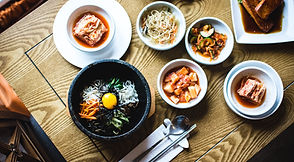
Food considerations. Korean food is built on pork, beef and seafood, and even “vegetarian” dishes often use anchovy broth or fermented shrimp. Halal restaurants cluster around the Seoul Central Mosque in Itaewon. Korean barbecue, fried chicken and street food are must-tries.
Etiquette that matters. A quick bow is the usual greeting. Use both hands when giving or receiving something, especially drinks. Respect elders — give up priority seats and keep your voice down on trains. Take your shoes off where there is floor seating. Some saunas and jjimjilbang (Korean bathhouses) refuse visible tattoos, so cover them or check first. Tipping is not done.
TOP EXPERIENCES
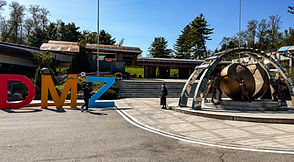
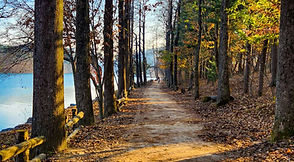
The experiences below are the big ones most first-time visitors put on the list in South Korea. Each is bookable through Klook, the leading tour platform in Asia.
LIVING IN SOUTH KOREA AS A BLACK EXPAT
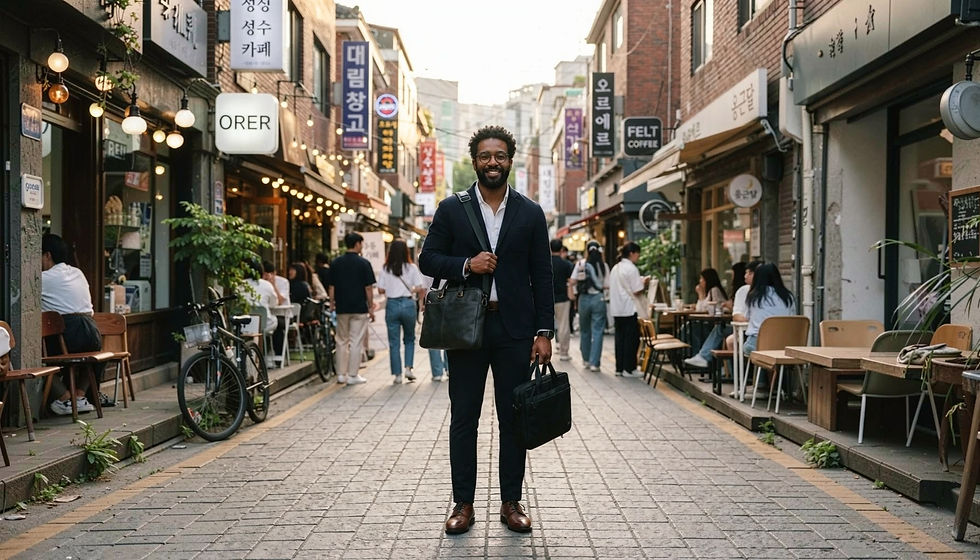
Korea’s Black expat community is centered in Seoul and the military towns: English teachers, US service members and their families, students, and creatives. Most teachers come on the E-2 visa, which is open to US citizens with a bachelor’s degree, a background check and a medical exam. Korea’s digital nomad visa (F-1-D) became permanent in June 2026, letting remote workers with foreign income stay up to three years. Seoul is not cheap — a one-bedroom in the city center runs about ₩1.2 million a month — but transport and food are good value. The biggest challenges are the language, renting as a foreigner, and finding hair care.
LATEST ASIA STORIES
Trip reports, visa updates and guides from across Asia.


