

Some links in this guide are affiliate links. We earn a small commission at no extra cost to you when you book through them, which helps fund this publication.
QUICK ANSWERS
Is Japan safe for Black travelers?
Japan is one of the safest countries in the world for all travelers, including Black visitors. Street crime is extremely rare, and you can walk almost anywhere at any hour. The challenges Black travelers face in Japan are social rather than safety-related — occasional staring, the rare bar with unofficial entry refusal, and difficulty renting apartments as a foreigner.
Is there racism in Japan toward Black people?
Japan is generally polite and non-confrontational, but subtle bias exists. Most Black visitors experience curiosity, staring, or hair-touching rather than hostility. The more documented issues are structural — some landlords refuse foreign tenants, a small number of bars post Japanese-only signs, and occasional stereotype-based assumptions. Overt aggression is rare, but Japan is not the colorblind society it is sometimes portrayed as.
What is the best time to visit Japan as a Black traveler?
Spring (late March to early April) for cherry blossoms and fall (October to November) for autumn colors are the two best windows. Summer is hot, humid, and includes the rainy season. Winter is cold but excellent for skiing and fewer crowds. Cherry blossom season books out months ahead, so plan early.
Do Black Americans need a visa for Japan?
US passport holders can enter Japan visa-free for up to 90 days as tourists as of 2026. For longer stays, Japan offers work visas, a startup visa, a student visa, and as of 2024 a digital nomad visa allowing remote workers to stay up to six months. Long-term residence usually requires employer or family sponsorship.
Every entry rule for Japan and 17 other destinations, checked September 2026, is in our Black Abroad 2026 travel guide ($14.99).
Are there Black expat communities in Japan?
Yes, especially in Tokyo, where Black professionals, English teachers, military families, and creatives have built strong networks. Groups like Black Creatives Japan and Black In Japan host regular meetups. Black-owned businesses, barbershops that handle Black hair, and cultural events are concentrated in Tokyo, with smaller communities in Osaka and Okinawa.
CITY GUIDES
Japan's cities each offer a different experience for Black travelers. Tokyo is the megacity with the largest Black community and the most to do. Kyoto is the cultural heart — temples, geisha districts, tradition. Osaka is the food capital with a famously friendly, casual vibe. Okinawa brings beaches and a large Black American military community.
.jpeg)

.png)
PRACTICAL ESSENTIALS
Japan is welcoming to Black travelers, but a few cultural realities are worth knowing before you go so the small moments do not catch you off guard.
GETTING THERE
Most US travelers fly into Tokyo's Narita (NRT) or Haneda (HND) airports. Haneda is closer to central Tokyo. Direct flights run from many major US cities — expect 11-14 hours from the East Coast, shorter from the West Coast. Round-trip economy typically runs $1,000 to $1,800 depending on season. Osaka (KIX) is the main alternative gateway.
WHERE TO STAY
In Tokyo, Shinjuku and Shibuya are central and well-connected; Asakusa is cheaper and traditional. Book early — Japan hotels fill fast, especially during cherry blossom and autumn seasons. Use Klook or Booking for Japan inventory. Note: some apartment rentals and a few hotels are foreigner-unfriendly, so booking through major platforms protects you.
Affiliate link: Find hotels on Klook (link in the experiences section below).
GETTING AROUND
Japan's train system is the best in the world. Get a Suica or Pasmo IC card for city trains and a Japan Rail Pass if traveling between cities (must buy before arrival for the best price). The Shinkansen bullet train connects Tokyo, Kyoto, and Osaka in hours. Google Maps works perfectly for train routes. Taxis are clean but expensive — trains are almost always better.
MONEY MATTERS
The Japanese yen (¥) is the currency. As of June 2026, $1 USD = approximately ¥150. Japan is still partly cash-based — carry cash, though cards are increasingly accepted. 7-Eleven and Japan Post ATMs reliably accept foreign cards. There is no tipping in Japan — it can even be considered rude, so don’t tip at restaurants or in taxis.
WHAT TO PACK
Pack for the season — Japan has four distinct ones. Comfortable walking shoes are essential (you’ll walk a lot, and you remove shoes indoors often, so slip-on shoes help). Bring your own Black hair products — they’re very hard to find outside specialty Tokyo shops. Japan uses Type A plugs (same as US). A portable wifi device or eSIM is highly recommended.
CULTURAL CONSIDERATIONS FOR BLACK TRAVELLERS
Japan is one of the most rewarding destinations in Asia for Black travelers, but it comes with cultural realities that are different from anywhere else. Understanding them ahead of time makes the experience far smoother.
Curiosity and staring. Japan is ethnically homogeneous, and outside major tourist areas, Black travelers stand out. Expect stares, especially from children and elderly people, and occasional hair-touching requests. This is almost always curiosity, not hostility — Japanese culture is deeply polite and non-confrontational. In Tokyo and Osaka, locals are used to foreigners and you'll blend in more than in rural areas.
The structural side. The honest reality is that Japan has some structural bias that affects all foreigners and can affect Black foreigners more. A small number of bars and clubs post "Japanese only" or "members only" signs to discreetly refuse foreigners. Apartment hunting can be difficult because some landlords refuse non-Japanese tenants. These are real, but they are the exception, not the rule, and they rarely affect a short visit. For tourists, the impact is minimal; for expats, it's worth knowing.
Hair and beauty access. Black hair products are genuinely hard to find in Japan. Your best options are specialty stops in Tokyo — areas around Roppongi and shops catering to the international and military community — and online ordering through Amazon Japan, which carries some Cantu and SheaMoisture. Barbers who can cut Black hair exist in Tokyo and near military bases in Okinawa, but are scarce elsewhere. Bring a full supply of your own products and consider booking a cut before you travel.
Food considerations. Japanese cuisine is incredible but heavily seafood- and pork-based. Vegetarians and vegans should research ahead — even vegetable dishes often use dashi (fish stock). Halal food is growing in Tokyo and tourist areas but still limited. If you have allergies, carry a translation card, as English menus are not universal outside major cities.
Etiquette that matters. Remove your shoes when entering homes, traditional restaurants, temples, and some businesses. Be quiet on trains — talking loudly or on the phone is frowned upon. Don’t eat while walking. Bow slightly when greeting. Tipping is not done. Tattoos can bar you from some onsen (hot springs) and pools — cover them or seek tattoo-friendly onsen. These small courtesies go a long way and are noticed and appreciated.
.jpeg)
TOP EXPERIENCES
The experiences below are the ones Black travelers consistently rate as worth the cost in Japan. Each is bookable through Klook, the leading tour platform in Asia.
.jpeg)
.jpeg)
.png)
.jpeg)
.jpeg)
.jpeg)
LIVING IN JAPAN AS A BLACK EXPAT
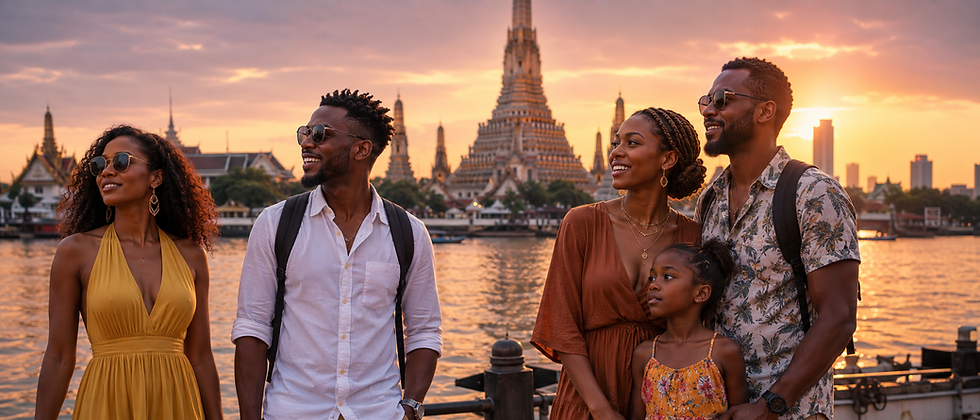
Japan has a long-established Black expat community, especially in Tokyo. Many arrive through English teaching programs like JET, through corporate transfers, the US military, or the creative industries. As of 2024, Japan's digital nomad visa allows remote workers to stay up to six months. Cost of living in Tokyo is high but often lower than New York or San Francisco for rent. The biggest expat challenges are apartment hunting (use foreigner-friendly agencies) and the language barrier, but Black professional and creative networks in Tokyo are strong and welcoming.
LATEST JAPAN STORIES
Japan has a long-established Black expat community, especially in Tokyo.


