My Experience Being Black While Traveling in Asia

Traveling opens doors to new cultures, experiences, and perspectives. For Black travelers exploring Southeast Asia, the journey often includes unique challenges and moments of discovery shaped by their visible identity. In many parts of this region, Black people are rarely seen, which can lead to a mix of curiosity, admiration, and sometimes discomfort. This post explores what it means to navigate daily life, social spaces, and cultural dynamics as a Black traveler in Southeast Asia, based on firsthand experiences shared in the video My Experience Being Black in Asia.

First Impressions and Daily Encounters
From the moment a Black traveler steps into a Southeast Asian city, their skin color often draws immediate attention. Locals may stare openly or whisper among themselves, as many have never met a Black person before. This visibility can be both a blessing and a challenge.
Curiosity and stares: In markets, on public transport, or walking down the street, it’s common to attract curious glances. Some people may smile or wave, while others might take photos without asking.
Unsolicited photographs: Being asked to pose for pictures can feel flattering but also invasive. It’s important to set boundaries politely but firmly when needed.
Lighthearted interactions: Many encounters are friendly and filled with genuine interest. Locals often want to learn about the traveler’s background, culture, and reasons for visiting.
These moments highlight the novelty of seeing a Black person in a largely homogeneous environment. They also reveal how identity shapes everyday experiences in subtle ways.
Navigating Language and Cultural Norms
Language barriers add another layer to the travel experience. Southeast Asia is home to many languages and dialects, and communication can sometimes be tricky.
Using English as a bridge: English often serves as a common language, especially in tourist areas. However, accents and local slang can cause misunderstandings.
Respecting local customs: Understanding social norms, such as dress codes, gestures, and etiquette, helps avoid unintentional offense. For example, removing shoes before entering homes or temples is standard in many countries.
Cultural misunderstandings: Sometimes, curiosity can come across as awkward or insensitive. For instance, questions about hair or skin color might feel intrusive but often stem from genuine interest rather than malice.
The traveler’s ability to adapt and respond with patience and humor often turns these moments into opportunities for connection.

Practical Travel Tips for Black Visitors
Traveling in Southeast Asia requires planning and flexibility. Being a visible minority adds some considerations that can affect daily logistics.
Transportation: Public transport is affordable and widely used, but expect to attract attention. Ride-hailing apps and taxis offer more privacy but may still prompt questions from drivers.
Accommodations: Hotels and guesthouses vary in their familiarity with Black guests. Booking places with good reviews from diverse travelers can ensure a more comfortable stay.
Safety and comfort: While Southeast Asia is generally safe, it’s wise to stay aware of surroundings and avoid isolated areas at night. Trust your instincts if an interaction feels uncomfortable.
Cultural exchange: Engage with locals through language classes, cooking workshops, or community tours. These experiences deepen understanding and foster mutual respect.
By preparing for these realities, Black travelers can enjoy smoother journeys and richer experiences.
Moments of Connection and Reflection
Despite occasional discomfort, traveling as a Black person in Southeast Asia offers unique opportunities for growth and cultural exchange.
Building friendships: Many locals are warm and welcoming, eager to share their culture and learn about the traveler’s story.
Challenging stereotypes: Being present in these spaces helps break down misconceptions and broadens perspectives on both sides.
Self-discovery: Navigating unfamiliar social landscapes encourages reflection on identity, privilege, and resilience.
These experiences create a layered narrative that goes beyond sightseeing to touch on deeper human connections.
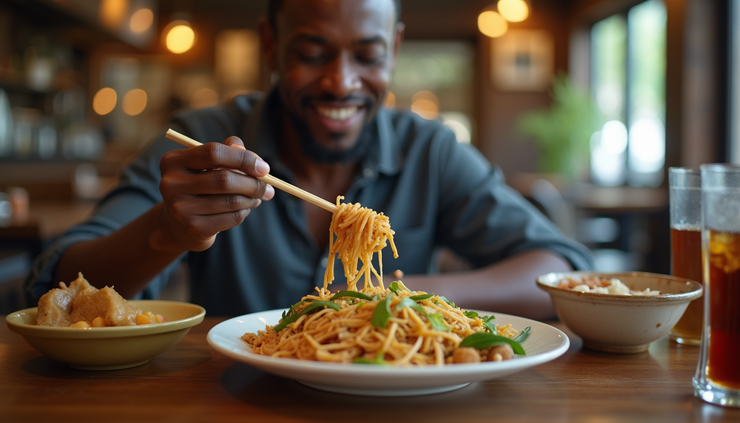
Embracing the Journey
Traveling in Southeast Asia as a Black person means embracing both the adventure and the complexities of being a visible minority. It involves balancing curiosity with caution, openness with boundaries, and excitement with reflection.
This journey offers more than just new sights—it provides a chance to engage with diverse cultures, challenge assumptions, and grow personally. For those considering similar travels, the key is to approach each experience with respect, patience, and a willingness to learn.